


Key Takeaways
- Addiction is a brain-based disease, not simply a matter of choice.
- Millions of Americans live with substance use disorders.
- Addiction often co-occurs with mental health issues.
- Relapse rates for addiction mirror other chronic diseases.
- Treatment works, and recovery is possible with the right support.
The question “Is drug addiction a choice or a disease?” matters deeply to anyone trying to understand their own substance use or the struggles of a loved one. At first glance, addiction can look like a series of choices, but decades of research and clinical evidence show that addiction is best understood as a disease of the brain and behavior, not a simple matter of willpower or morality.
This article explains the science, the data, and why viewing drug addiction as a disease leads to better understanding, more compassionate care, and better long-term outcomes.
What Addiction Actually Is
Drug addiction is clinically defined as a substance use disorder (SUD). A chronic condition involving compulsive substance use despite harmful consequences. This definition is based on observable changes in brain structure and function. According to the National Institute on Drug Abuse (NIDA), addiction involves persistent changes to brain circuits responsible for reward, stress, and self-control, which can last long after use stops.
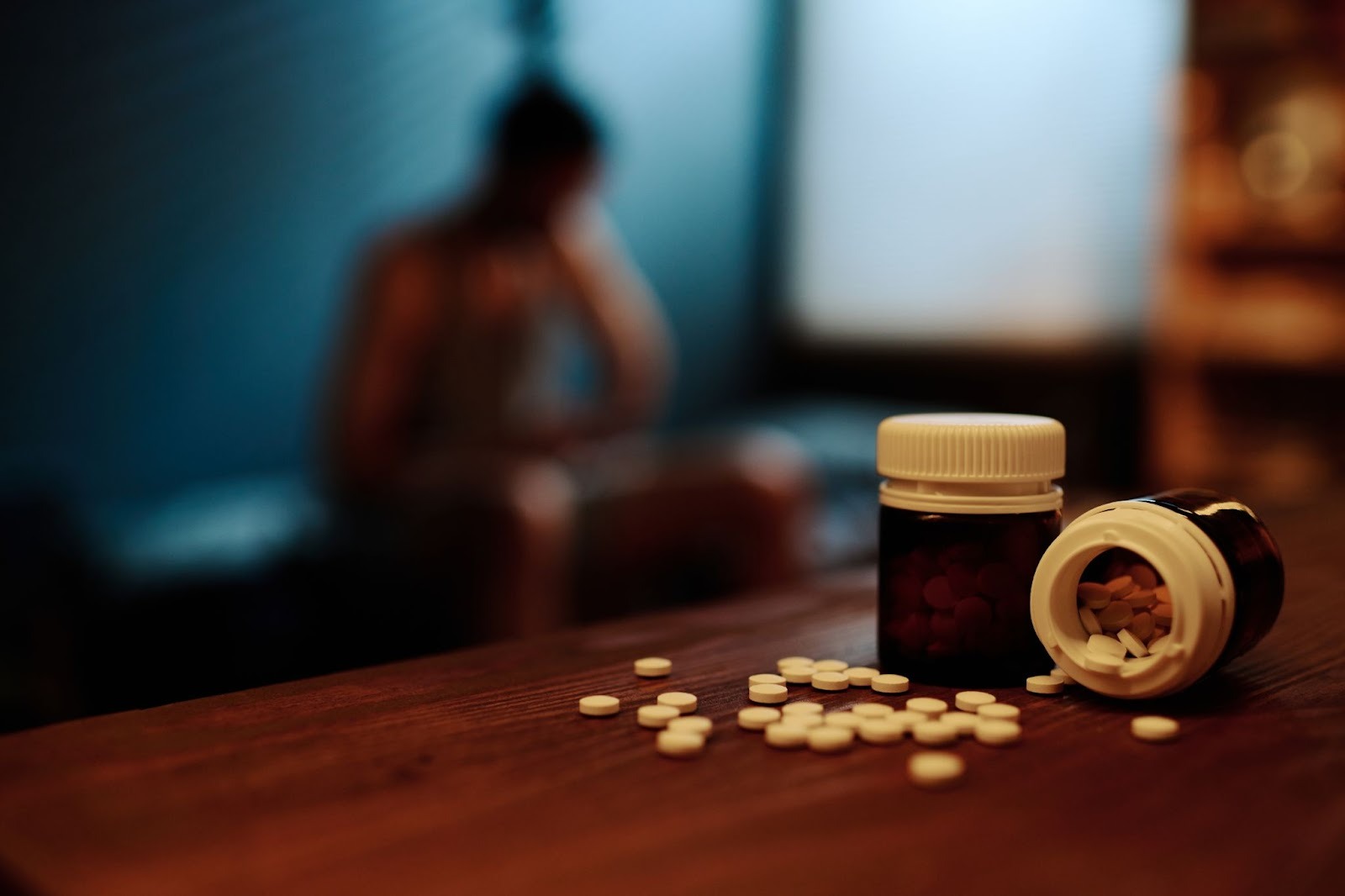
Addiction begins with voluntary use, but over time, the brain adapts in ways that make stopping difficult even when a person wants to stop.
Key Statistics That Show Addiction Is a Disease
1. Prevalence of Substance Use Disorder
- About 16.8% of people aged 12 or older in the U.S. (48.4 million) had a past-year substance use disorder in 2024. SAMHSA
- The percentage of people aged 12 or older with a past-year drug use disorder increased from 8.7% in 2021 to 9.8% in 2024. SAMHSA
These large numbers show that addiction affects a significant portion of the population and is not a rare or isolated issue.
2. Co-Occurring Mental Health and Addiction
- About 21.2 million adults in the U.S. had both a substance use disorder and a mental health condition in the same year. SAMHSA
- Nearly 41.2% of adults with a co-occurring disorder received neither mental health nor substance use treatment, even though these conditions often require integrated care. SAMHSA
The strong overlap with mental illness underlines that addiction is not simply impulsive choice behavior, but often part of a broader health condition.
3. Relapse Rates Resemble Other Chronic Diseases
Relapse in addiction looks similar to relapse in other chronic health conditions:
- Relapse rates for substance use disorders are estimated at 40%–60%, similar to chronic illnesses like hypertension and asthma. National Institute on Drug Abuse+1
- Some studies show relapse rates as high as 60% within one year for individuals with SUD. ScienceDirect
These numbers reinforce that addiction behaves like other chronic, relapsing medical conditions, not intermittent, self-correcting choices.
4. Brain Disease Evidence
Neurobiological research shows that addiction changes the brain’s reward pathways, motivations, and stress responses, changes that persist even after substance use stops.
These structural and functional changes distinguish addiction from ordinary decision-making and place it within the realm of chronic brain disorders.
Why Addiction Is Not Just a Choice
Some people believe addiction is a choice based on the voluntary nature of initial drug use. But:
- Choice explains the start of use, not the loss of control that defines addiction.
- Addiction involves neuroadaptations in the brain that impair self-control and decision-making. NCBI
- The fact that many people relapse does not mean willpower failed. It reflects the chronic, biological nature of SUD. National Institute on Drug Abuse
In this way, addiction is similar to diabetes: initial behaviors may begin with lifestyle choices, but the disease itself affects how the body functions and requires medical intervention and long-term management.
How Understanding Addiction Changes Treatment
1. Addiction Is Treatable
Recognizing addiction as a disease opens the door to effective, evidence-based treatment programs, including:
- Behavioral therapy
- Medication-assisted treatment
- Support groups and community recovery programs
- Integrated care that addresses both substance use and mental health
Treatment programs that understand addiction as a disease help build coping strategies, strengthen resilience, and address the neurological and psychological roots of substance use.
2. Relapse Is Part of Recovery
Relapse does not mean failure. It often means treatment needs adjustment or continued support, just as a rise in blood sugar may indicate a change in diabetes management is needed.
3. Early Intervention Matters
Millions of people with substance use disorders don’t receive treatment. Less than 20% of individuals who needed SUD treatment in 2024 received it. SAMHSA
This gap highlights the need for awareness, accessible treatment options, and early intervention.
What This Means for You or a Loved One
Understanding drug addiction as a disease helps in several ways:
- It reduces blame and stigma, which often prevents people from seeking help.
- It frames addiction as a health condition that deserves care, not judgment.
- It encourages approaches that address both biological brain changes and behavioral patterns.
Recovery is a process, not an instantaneous change. With the right support and treatment, individuals with addiction can regain control, learn new skills, and build fulfilling lives.
Finding Support for Addiction in Scottsdale
If you or someone you care about is struggling with drug or alcohol use, help is available. Recovery Center for the Arts provides evidence-based addiction and mental health treatment in Scottsdale, with outpatient programs designed to support real, lasting recovery.
To learn more about treatment options or verify insurance, call (602) 579-9023 or reach out online to connect with the admissions team.